

Barbara Alisber
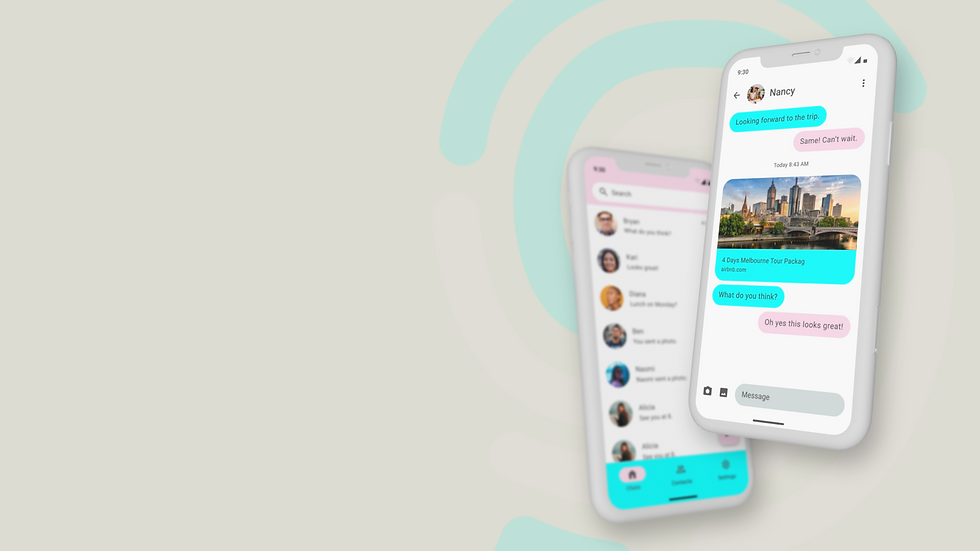
Just Us
Redesigning Trust in Digital Conversations
From a Scattered MVP to a Brand That Feels Safe
2023 - 2025
Client:
Just Us Privacy Chat App
Type:
Product Design, UX Research, Brand Identity
Role:
Product Designer & UX Research Lead
Focus:
Rebranding and validating a privacy-first chat app
Stage:
Pre-seed product and brand redesign
From technical MVP to a brand that feels safe
The founder approached us with an Android MVP for a privacy chat app built on a patented security method.
The technology worked, but the name, interface, and brand didn't communicate safety or credibility.
Before raising funding, the product needed a complete rethink from naming and visual identity to UX, research, and story.
The challenge
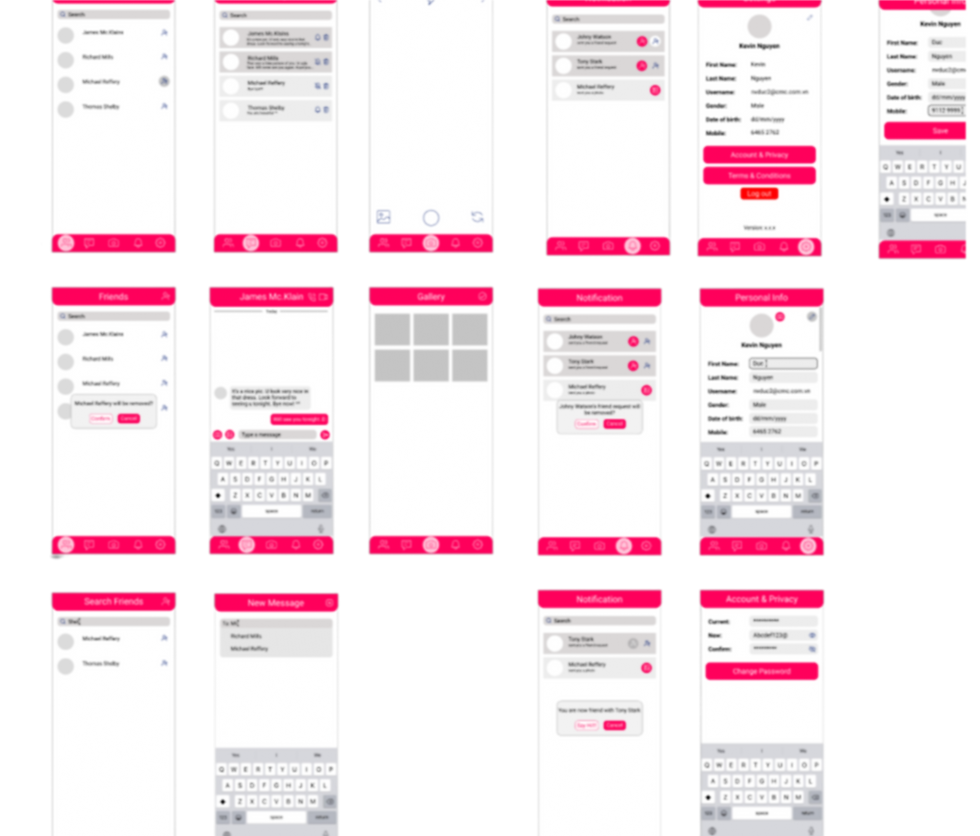
The existing app looked outdated and confusing, the original name suggested photo-sharing, and nothing about the experience inspired trust.
We needed to rebuild the product's emotional credibility while keeping the underlying tech as-is, so both users and investors could finally see its potential.
The Opportunity
Create a brand and experience that translate complex privacy tech into something human, relatable, and believable and use research to de-risk the roadmap before committing to full-scale build.
What We Did
I led the rebrand, UX direction, and early validation work: renaming the product, designing its visual system, defining personas, mapping journeys, and creating a phased product strategy aligned with funding reality.

1.Renaming & Brand Concept
We renamed the app "Just Us" a phrase that immediately communicates intimacy and private space.
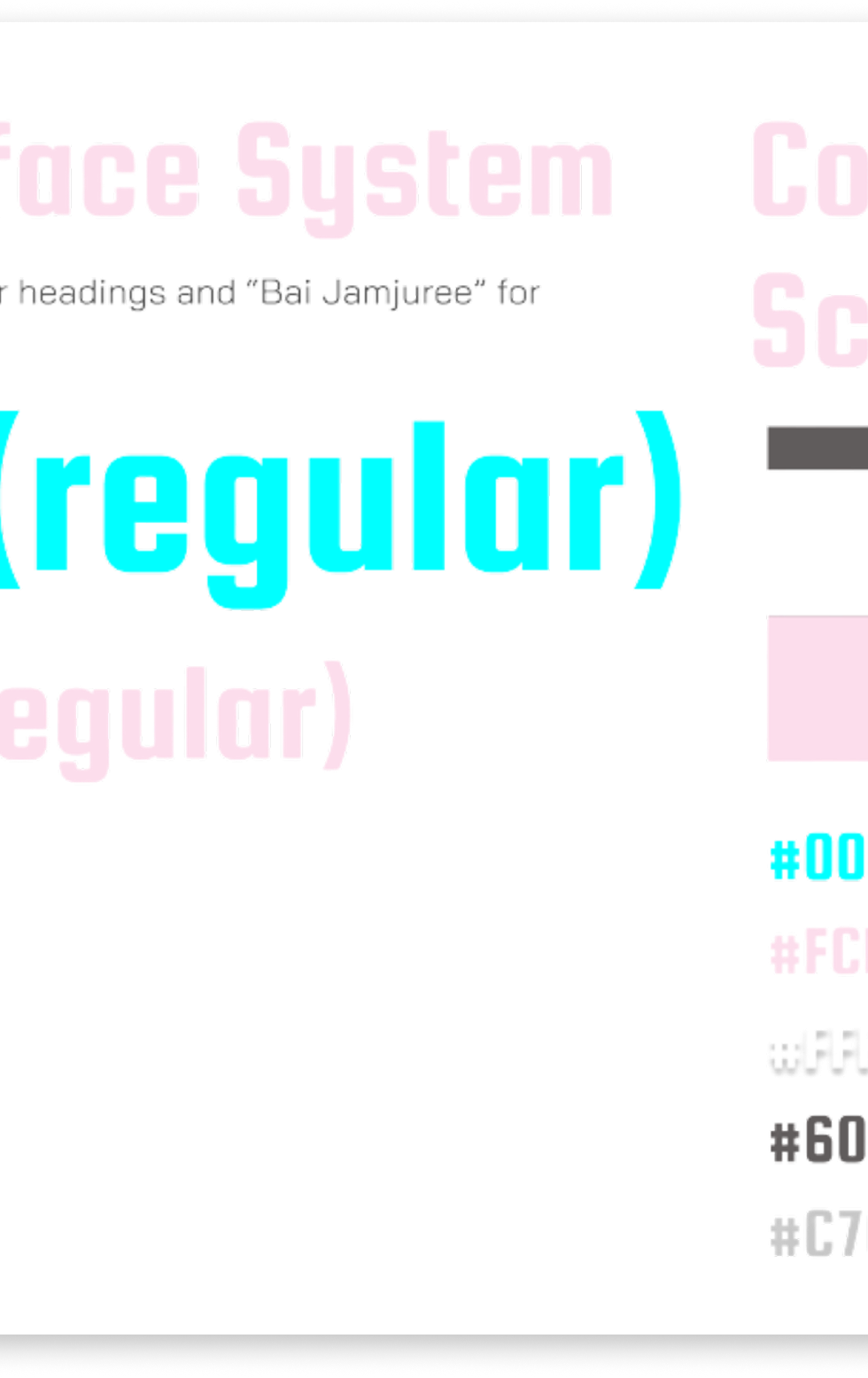
From there, we crafted a visual identity that balanced protection and warmth: a fingerprint-chat logo, a cyan and soft pink palette, and a type system that felt confident yet human.
2.Research & Validation
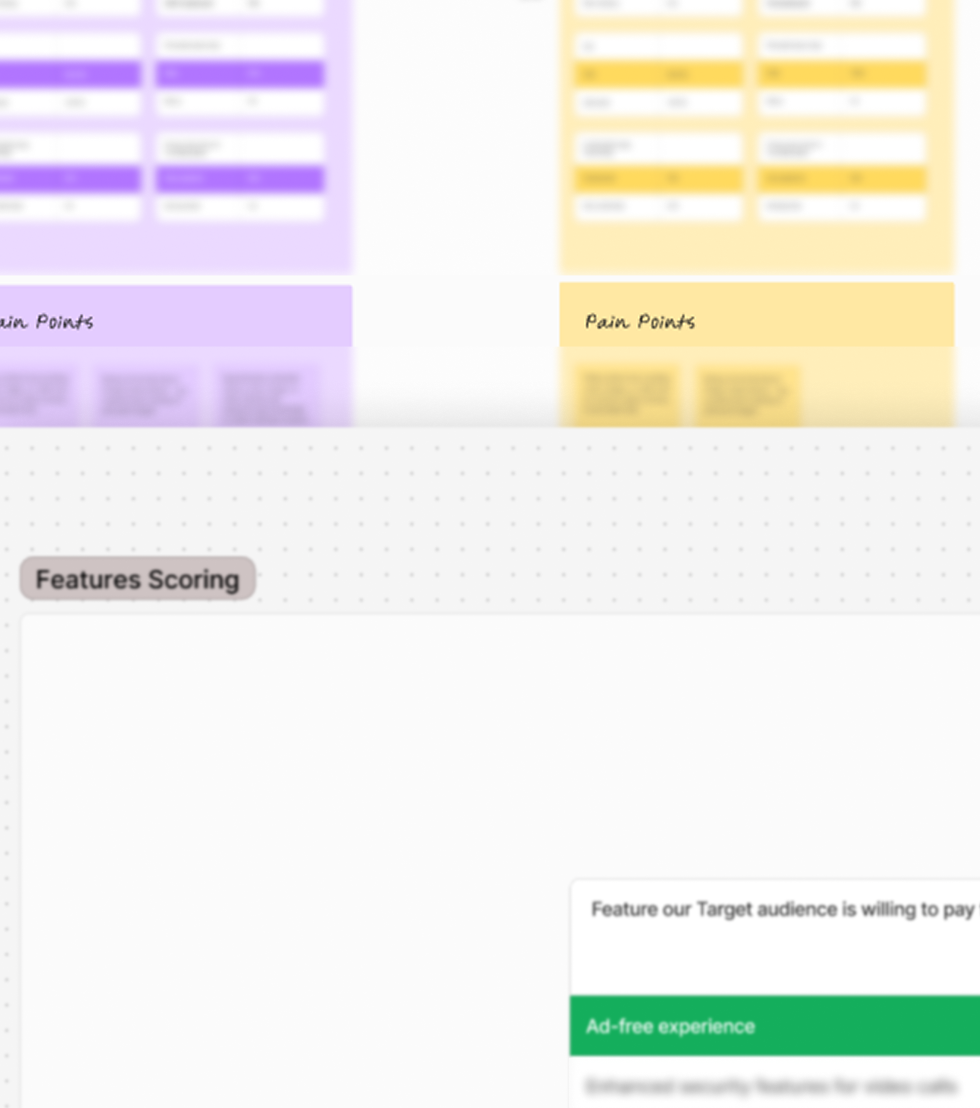
Through interviews, surveys, and competitive analysis, we captured real anxieties about screenshots, leaks, and digital permanence across generations. We synthesised the findings into personas and testing cards that grounded every design decision in actual behaviour and motivations.
3.Experience & Product Strategy
We mapped the end-to-end journey from onboarding and first chat to panic-cover behaviour and alerts and proposed a phased roadmap:
first apply the new brand to the existing MVP, then progressively improve UX flows, and later evolve toward a best-in-class messaging experience.

4.UI Design & Prototyping
We created three levels of UI evolution, from a light reskin of the current MVP to a fully refined interface benchmarked against modern messaging apps.
This gave the founder visual options to match different funding and development scenarios.

Key Insights
Trust is as much a design problem as it is a technical one.
People decide whether to believe in a privacy product within seconds of seeing it.
Trust Starts With Clarity
Privacy Has Generational Flavours
Phased Roadmaps Reduce Risk
Design Is a Signal of Seriousness
A simple, confident brand story made it easier for people to understand what Just Us is for and why it exists.
Gen Z, millennials, and older users worry about different things from screenshots to professional leak so features and messaging must reflect that.
By offering a staged evolution of the product, the founder could show progress to investors without overcommitting dev resources too early.
The shift from a generic-looking MVP to a thoughtful, emotionally intelligent interface changed how investors and users perceived the entire product.
These insights shaped a path where Just Us could grow into a trusted privacy brand instead of remaining a technical experiment.
Outcomes & Impact
For the Product
- The new name, identity, and UX direction repositioned Just Us as a credible privacy tool.
The landing page and visuals became core assets in investor conversations and early testing.
For the Founder
- With a clearer story, visual system, and research-backed personas, the founder gained confidence to pursue funding and refine the roadmap.
For My Practice
- This project reinforced how brand, UX, and research work together to turn abstract security promises into something people can actually trust.